
Each year on 23 June, International Women in Engineering Day recognises the contributions of women across the engineering industry and highlights the importance of creating opportunities for more young women to follow this path.
In 2026, the theme “Engineering Intelligence” reflects the way engineers combine technical knowledge with creativity, problem-solving and critical thinking to design solutions that shape the world around us. It celebrates not just what engineers do, but how they think, and the perspectives women bring to innovation and progress.
This way of thinking is not just taught at The Australian Trade College North Brisbane — it is experienced.
For student Alannah Collis, engineering is already becoming a reality.
Currently studying Engineering at the Trade College in Scarborough, Alannah recently undertook work experience with Basecon Steel & Fabrication in Brendale — a local business specialising in steel supply and custom fabrication for construction and building projects.
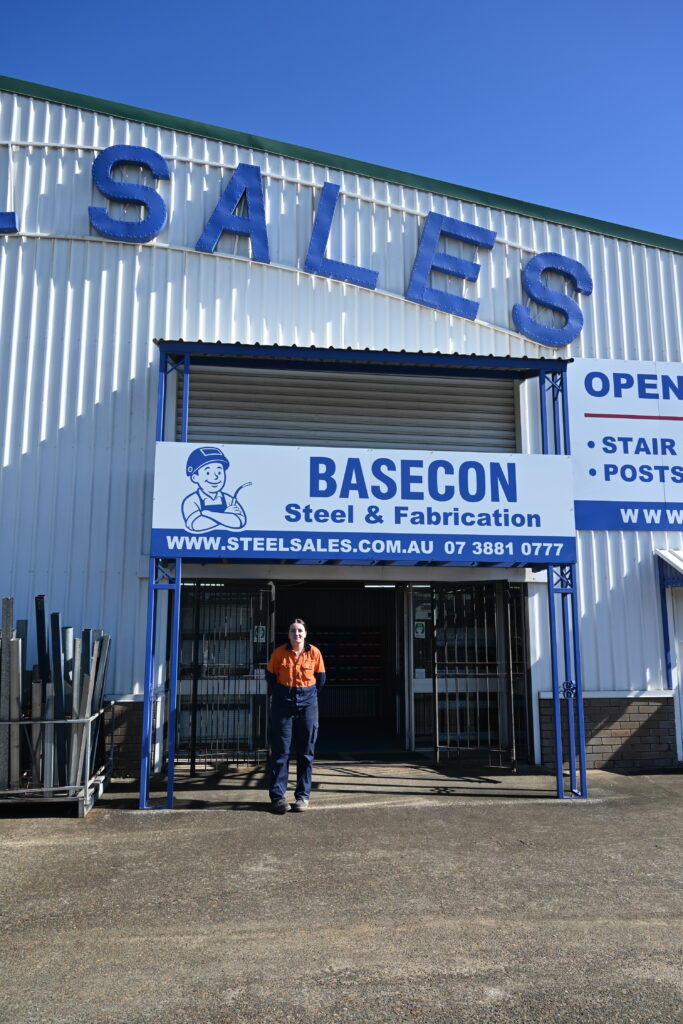
Working with materials like structural steel, and producing components such as beams, posts and custom assemblies, Basecon delivers practical, real-world solutions that form part of the built environment.
For Alannah, the placement provided a valuable shift from theory to practice.
She was introduced to hands-on tasks, including basic welding, gaining early exposure to the tools, techniques and precision that underpin the industry.
It is this kind of experience that brings engineering into focus: where ideas are no longer abstract, but something you can build, shape and refine.
Alannah’s interest in engineering began with a willingness to try something new.
“I thought it would be fun,” she said.
What she has discovered since is that engineering is as deeply creative as it is technical.
“What I enjoy most is the creativity of it.”
This reflects the essence of this year’s theme. Engineering intelligence is not just about calculations or processes — it is about seeing possibilities, solving problems and creating something meaningful.
In a fabrication workshop like Basecon, that thinking is visible every day — as ideas are transformed into structures and designs are brought to life through skill and precision.
For many young people, stepping into an industry workplace can feel daunting, especially in fields where women remain underrepresented.
That is why experiences like this matter.
They allow students to build confidence, challenge assumptions and begin to see themselves in roles they may not have previously considered.
For Alannah, that shift has already begun.
Her advice to other young women considering engineering is simple and genuine:
“Try it. You think it’s scary, but it’s actually not.”
It is a message that speaks to the importance of access and opportunity, because confidence often follows hands-on exposure.
With her work experience complete, Alannah is already looking ahead.
She hopes to pursue an apprenticeship after finishing school, continuing to develop her skills and build a career within the industry.
What began as curiosity is now becoming direction.
Through her learning at the Trade College and her exposure to industry, she is developing not only technical skills, but the mindset and confidence that will support her future pathway.
International Women in Engineering Day is more than a celebration — it is a reminder of what is possible, and what still needs to be achieved.
Increasing the visibility of women in engineering helps challenge outdated perceptions and encourages more young women to consider careers in the field.
At the Trade College, this begins with real, practical learning.
By connecting students with industry, hands-on training and meaningful pathways, the Trade College supports the next generation of engineers to take their first steps with confidence.
Alannah’s story is one of those beginnings — showing what can happen when students are given the opportunity to explore where engineering can take them.
As we recognise International Women in Engineering Day, it is clear that the future of engineering is not only skilled — it is creative, diverse and already taking shape in students like Alannah.